
Syria detains former general Abdul Ghaffar al-Hussein in first financial crimes arrest of Assad-era purge
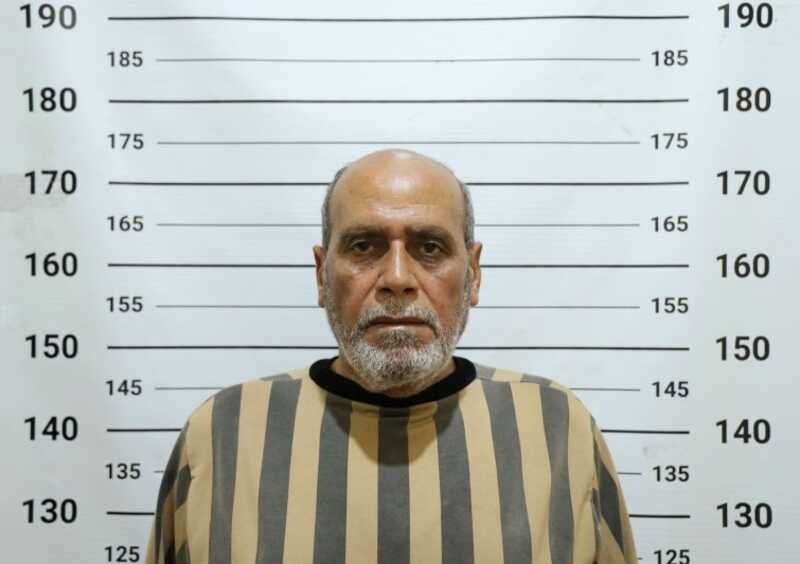
Syria has detained a prominent former military officer accused of corruption and wartime abuses under the Assad regime, marking the first financial crimes arrest in Damascus’s widening accountability campaign.
In its latest push to hold Assad-era figures accountable, Syria’s Interior Ministry has arrested a former military officer accused of corruption and abuses committed during the rule of ousted president Bashar al-Assad, marking the first time a former official has been detained also over financial offenses.
The Interior Ministry said security forces arrested retired Brigadier General Abdul Ghaffar al-Hussein, considered a prominent military figure during the Assad regime. He was allegedly linked to arrests and forced disappearance of civilians while his regiment was overseeing a security checkpoint in Daraa province, state news agency SANA reported.
After retiring in 2015, al-Hussein became involved in corruption networks and exploited his connections within the government to embezzle public funds, the ministry claimed.
“The arrest of Brigadier General Abdul Ghaffar al-Hussein is a moment worth marking,” said Alreem Kamal, legal officer at the London-based Syrian Legal Development Program (SLDP), noting that al-Hussein’s detention is the first of its kind involving economic crimes. “It signals that the transitional government is prepared to treat corruption as a serious crime in its own right, not a lesser one.”
“When public funds meant for schools, hospitals, and housing are siphoned away, the loss is not merely financial; it directly impacts the human rights to education, health, and adequate housing, to name a few,” she told OCCRP on Tuesday. “The focus on al-Hussein’s place within corruption networks and his role in embezzling public money is therefore welcome.”
Over the past months, Syria’s transitional government has been pursuing Assad-era figures and former officials implicated in crimes and abuses against civilians during the 2011–2024 civil war. However, while al-Hussein’s arrest marks a new turn, Kamal added, “the difficulty is that this welcome step does not yet sit within a consistent approach.”
“Against the arrest of al-Hussein stands the treatment of figures long woven into Assad’s crony network,” he said. A number of them have allegedly been exploiting the country’s brutal, decade-long civil war for personal enrichment and some were sanctioned by the U.S and blacklisted by the U.K.
With figures like this still not held accountable, Kamal noted, “the inconsistency matters, because accountability is undermined if it reaches the available and spares the powerful.
“If the al-Hussein arrest is to be more than a single gesture, it should mark the beginning of a coherent approach in which economic crimes are pursued through independent judicial channels regardless of the standing of those implicated,” he said. “This is vital for the credibility of Syria’s transitional justice and the trust of those it is meant to serve”.